
Understanding Why You Might Have Itchy Toes at Night
Updated: Apr 2
Many people experience an uncomfortable sensation that disrupts their sleep: itchy toes at night.
This common issue can not only affect your comfort but also your confidence. Nighttime itching can be frustrating, leading to tossing and turning and leaving you feeling unrested.
In this article, we'll explore the potential causes of your itchy toes, the implications for foot health, and practical ways to treat or manage this condition effectively at home.
Common Causes of Nighttime Itchy Toes
Dry Skin / Dehydration
One of the most common causes of itchy toes at night is dry skin. As temperatures drop at night, the air cools and often dries.
In indoor environments, especially during winter, low humidity can exacerbate the situation. Without adequate moisturization, the skin can become parched and itchy, causing discomfort during sleep.
A good habit is to apply a thick moisturiser before bedtime to lock in hydration.

Fungal Infections (Athlete’s Foot)
Fungi thrive in warm, humid environments, and socks or bedding can create the perfect conditions for them.
Athlete’s foot, a common fungal infection, often presents symptoms like itching, burning, or stinging between the toes or on the soles of the feet.
If you frequently wear tight or synthetic shoes, the risk increases, especially if your feet tend to sweat.
Keeping your feet dry and avoiding overly moist fabrics is key to prevention.

Eczema or Dermatitis
Skin conditions such as eczema or contact dermatitis may also cause your toes to itch at night.
These conditions can flare due to various triggers, including allergens or irritants. Nighttime may offer fewer distractions, leading to greater awareness of itchy sensations.
This can be exacerbated by increased skin temperature while lying in bed.

Diabetic Neuropathy
If you have diabetes, diabetic neuropathy could be a factor in your nighttime itchy toes. This condition results from nerve damage associated with uncontrolled blood sugar levels and may manifest as tingling, itching, or burning in your limbs, especially your feet. Effective diabetes management is crucial for alleviating symptoms of nerve damage.

Psoriasis or Other Skin Conditions
While less common, conditions such as psoriasis can also cause persistent itching.
This autoimmune disorder causes rapid skin cell production, resulting in red patches, scaling, and significant discomfort.
If you notice persistent itching along with skin changes, consult with a healthcare professional for a diagnosis and an effective treatment plan.
Why Itching Feels Worse at Night
Nighttime may intensify itching for several reasons.
First, the lack of daytime distractions can make you more aware of discomfort. Additionally, histamine levels tend to rise at night, which can exacerbate itching.
Increased circulation when you're horizontal can also lead to inflammation and increased itchiness while you rest.
How to Relieve Itchy Toes at Night
You don’t have to suffer sleepless nights from itchy toes.
Here are some practical tips to find relief:
Keep Your Feet Clean and Dry: Showering before bed and drying your feet can reduce the risk of infections.
Use Urea-based Moisturisers: Urea cream is an excellent ingredient that helps retain moisture, making it particularly beneficial for dry skin.
Wear Moisture-wicking Socks: Opt for socks made from breathable materials that wick moisture away, reducing the risk of fungal infections.
Avoid Hot Showers: While tempting, hot showers can dry out your skin. Instead, opt for lukewarm water.
Use Cold Compresses: Applying a cold compress can temporarily numb the area and relieve itching.
Anti-itch Creams: Over-the-counter anti-itch creams may offer quick relief for irritated skin.
Check Your Shoes: Examine your footwear for dampness or fungal spores; sometimes, simply rotating your shoes can help maintain foot health.

When to See a Podiatrist
If your symptoms persist for more than 7–10 days, it may be time to consult a podiatrist.
Additional warning signs include:
Redness or swelling in the affected area
Skin breakdown or lesions
If you are diabetic or have concerns about circulation
Seeing a professional can help determine whether your symptoms are due to a more serious condition that requires medical treatment.
Preventative Routine for Long-Term Relief
Establishing a proactive nighttime foot-care routine can significantly reduce the risk of itchy toes.
Here’s a simple 3-4 step regimen:
Cleanse: Use a gentle, moisturising cleanser on your feet.
Moisturise: Apply a urea-silicone moisturiser to keep skin hydrated overnight.
Protect: Wear moisture-wicking socks and breathable shoes to deter fungal growth.
For those interested in tracking their skin condition or improving their skincare routine, consider using a skin tracker or signing up for a free sample guide.

Taking Control Over Itchy Toes
Itchy toes at night can be bothersome, but with proper management, you can enjoy restful sleep once again. Remember, this common issue is often manageable with the correct techniques and care. If you're encountering persistent problems, be sure to reach out to a podiatrist for specialised advice.
Feel free to try the free sample guide for personalised recommendations and additional tips. Good foot health is pivotal to overall well-being, and taking proactive steps can significantly improve your comfort and quality of life. Don’t let nighttime foot itching rob you of your peace and confidence!
Further Reading from The Foot Aftercare Institute:
Pompholyx Eczema (Dyshidrotic Eczema)
Explore a type of Eczema that causes intense itching and fluid-filled blisters on the feet - often worse at night
How to Use Urea Cream and Silicone Gel Properly
Learn how to relieve dry, itchy feet and support skin recovery using clinically backed moisturisation methods.
Discover how protective creams help reduce irritation, lock in moisture, and prevent dryness-related itching
Athlete's Foot and Fungal Infections
Understand how fungal infections can cause itching, burning and irritation - especially in warm, moist conditions
Eczema Rash on the Feet: Causes, Symptoms and Treatment
Learn how eczema can cause persistent itching, redness and irritation on the feet - often mistaken for fungal infections
Foot Corn Types: Causes, Symptoms and Treatment
Corns and thickened skin can create pressure and irritation, sometimes leading to itching - especially after long periods in shoes.
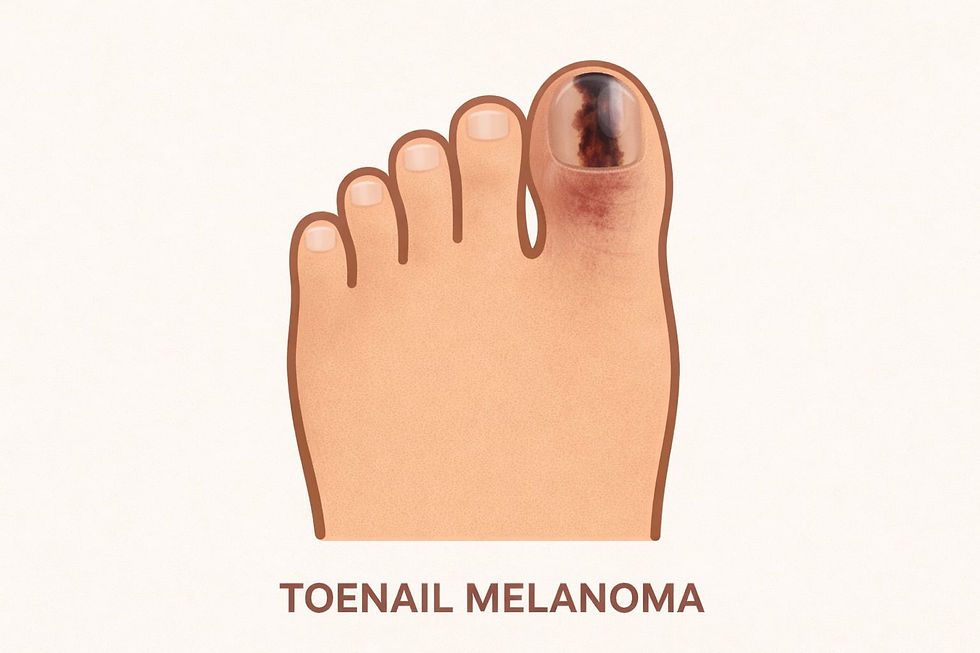
Black Toenail Causes: Injury, Fungus or Something More Serious?
Changes in your toenail, including discolouration or damage, can sometimes be linked to underlying conditions that also cause irritation or discomfort


Comments