
Infected Foot Callus: Symptoms, Treatment, and When to See a Podiatrist
Updated: Apr 2
A callus is a thickened area of skin that forms due to repeated pressure or friction, often found on the soles and heels of the feet.
Although calluses serve as protective barriers for the skin, they can become problematic when they become infected.
An infected foot callus occurs when bacteria enter through cracks, cuts, or breaks in this thick skin, leading to various symptoms such as pain, redness, and swelling.
Understanding how to identify, treat, and prevent infected foot calluses is essential for maintaining foot health.
What Causes an Infected Foot Callus?
Infected foot calluses can be attributed to several common causes and contributing factors, including:
Friction and Pressure: Wearing tight shoes or high heels, or engaging in prolonged walking or running, can create constant pressure on the skin, leading to callus formation.
Cracks and Fissures: Dry, thickened calluses, especially on the heels, are prone to cracking and can provide entry points for bacteria.
Self-Treatment: Picking, cutting, or shaving calluses at home can inadvertently create openings that facilitate infection.
Warm and Moist Environments: Wearing shoes that do not allow adequate ventilation can create a warm, moist environment, thereby promoting bacterial growth.
Underlying Conditions: Conditions such as diabetes can increase the risk of infection due to poor circulation and reduced sensation in the feet.

Who Is Most at Risk?
Certain individuals are more susceptible to developing infected foot calluses:
People with Diabetes: Those with diabetes are at a higher risk because the disease can lead to reduced sensation in the feet and slower wound healing. Even minor issues can escalate quickly, making self-treatment dangerous.
Older Adults: Age-related changes can lead to thinner, drier skin, increasing the risk of cracks and infections.
Athletes and Active Individuals: Regular physical activity can repeatedly stress the feet, leading to calluses and potential infections, particularly when blisters form beneath the skin.
Individuals with Poor Circulation: Those with circulatory issues have an increased risk of developing infected calluses due to slower healing.
People with Foot Deformities: Conditions such as bunions, hammertoes, and flat feet can create regular pressure points on the feet, leading to recurring calluses.
Symptoms to Watch For
Early detection of an infected foot callus can help prevent further complications.
Key symptoms to look for include:
New or Increasing Pain: If the callus becomes increasingly painful, especially if it throbs or hurts at rest, it's a warning sign.
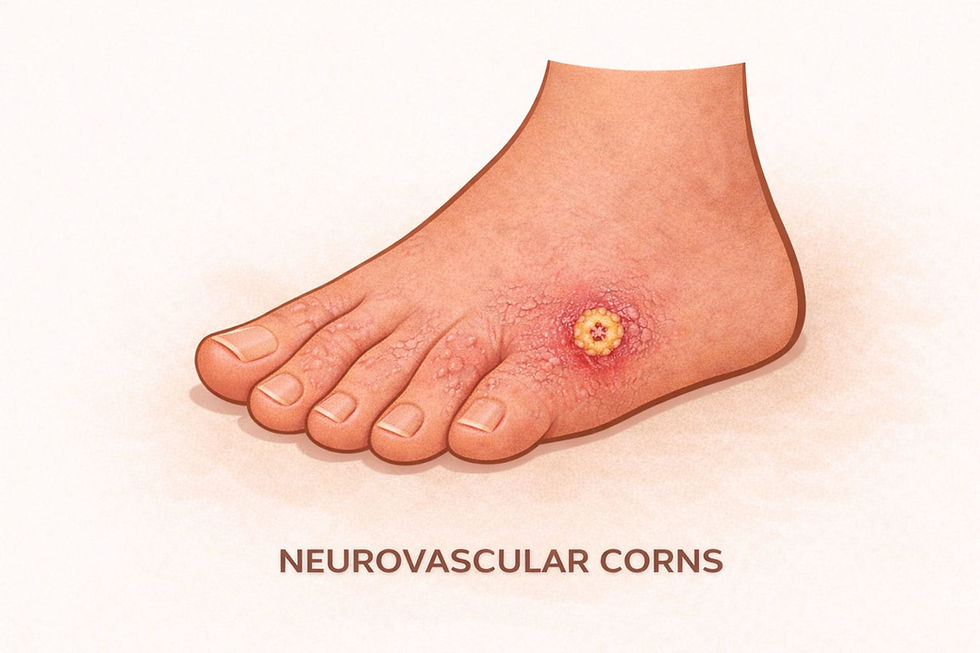
Redness and Swelling: Look for areas of redness, warmth, and swelling surrounding the callus. These can indicate an infection.
Drainage or Pus: If the callus begins to ooze fluid or pus, or if there is a foul smell, seek care immediately.
Skin Breakdown: A developing crack, hole, or ulcer may indicate underlying pathology.
Spreading Signs: Worsening redness, red streaks, or swelling of the entire foot may indicate a spreading infection and require prompt medical attention.
Systemic Symptoms: Symptoms like fever or chills, along with feeling unwell, should be taken seriously and assessed by a healthcare professional.

Safe Treatment Overview
If you suspect you have an infected foot callus, following safe treatment steps is crucial.
While minor cases may be managed at home, it's essential to know when to seek professional help:
Clean the Affected Area: Use mild soap and water to gently cleanse the callus, ensuring it is thoroughly dried afterwards.
Soak the Foot: Consider a warm saline or Epsom salt soak for 10-15 minutes, then dry well.
Apply Antiseptics: For mild cases, apply an antiseptic, then an over-the-counter antibiotic ointment, and cover with a clean dressing.
Offload Pressure: Resting the foot, wearing roomy shoes, and using pads or doughnut cushions can help relieve pressure around the callus.
Avoid Self-Intervention: Do not cut or dig into the callus. Using blades or aggressive filing can exacerbate the situation.
Caution with Treatments: Avoid salicylic acid or corn removers on infected or broken skin, as they can increase the risk of further damage or infection.
Seek Care If Necessary: If no improvement is observed within 48 hours, or if symptoms worsen, consult a healthcare professional.
When to Seek Urgent Professional Help
Certain situations warrant immediate medical attention.
You should seek urgent care if you experience:
Pus and Spreading Redness: Should you notice significant drainage, extensive redness, or red streaks, these are signs of a worsening infection.
Fever or General Malaise: Systemic symptoms such as fever, chills, or extreme fatigue suggest that the infection may have spread.
Inability to Walk: If pain prevents you from walking, it’s essential to seek evaluation.
Underlying Health Issues: Individuals with diabetes, peripheral vascular disease, or immunosuppression should have any foot issues assessed early.
Persistent Bleeding or Suspected Abscess: Signs of severe infection require immediate intervention.

Possible Complications of Untreated Infections
Failing to address an infected foot callus can lead to severe complications, including:
Cellulitis: A spreading infection on the skin that may require antibiotics.
Abscess: A localised pocket of pus that may need drainage.
Ulcer Formation: Open sores under the callus that can be particularly serious in individuals with diabetes.
Bone Infection (Osteomyelitis): Infections that spread to the bones can be severe and challenging to treat.
Sepsis: While rare, this is a life-threatening response to infection that requires immediate medical attention.
Gangrene or Amputation: Particularly in cases with poor circulation or unmanaged diabetes, severe infections can lead to tissue death and amputation.
Prevention of Infected Foot Calluses
Preventing infected foot calluses involves realising and addressing the risk factors associated with their formation:
Proper Footwear: Always wear shoes that fit correctly and do not cause friction or pressure points.
Use Insoles or Padding: Cushion your feet to reduce pressure on areas prone to calluses.
Maintain Hygiene: Keeping feet clean and dry—and ensuring the skin between toes remains dry—will reduce the risk of infection.
Moisturise: Hydration can prevent skin from cracking; however, avoid moisturising between the toes, as this may increase the risk.
Gentle Maintenance: After soaking, gently file or use pumice to maintain callus size; never cut directly into the callus.
Regular Foot Checks: Inspect your feet regularly, especially if at high risk for problems, and notify a podiatrist of any changes.
Seek Professional Help for Deformities: Engage a podiatrist for any persistent foot deformities or gait issues to prevent future calluses.
In conclusion, understanding the symptoms, treatment options, and preventive measures regarding infected foot calluses is crucial for maintaining foot health. If you suspect an infection or experience trouble with calluses, do not hesitate to consult a podiatrist for expert guidance and care. Your feet deserve proactive attention to keep them healthy and functional.

Further Reading from The Foot Aftercare Institute:
Explore more expert tips and foot care guides to support your skin health recovery.
Callus Over Scar: What It Means and How to Treat It.
Understand how scar tissue beneath a callus can delay healing - and how to manage both without causing further damage
Foot and Nail Fungus Infection: How to Spot and Treat It
Learn how fungal infections develop in cracked or callused skin - and how to stop them before they spread
How to Use Urea Cream and Silicone Gel Properly
Discover how to soften thickened skin, repair damage, and reduce the risk of infection with the right routine.
When to See a Podiatrist for Foot Problems
Know when a callus becomes a medical concern - and when professional treatment is necessary.
Cracked Heel Repair System (Bundle)
A complete at-home solution to treat dry, thickened, and infection-prone skin before it worsens.
Callus on Feet Causes: Why Hard Skin Keeps Coming Back
Understand the root causes of recurring calluses and how to prevent them long-term
Foot Corn Types: How to Identify and Treat Each One
Learn the differences between corns and calluses - and why misdiagnosis can lead to infection
Athlete's Foot Treatment Guide: Symptoms, Causes and Prevention
Recognise when itching, redness, or cracked skin may actually be a fungal infection
Emollients and Barrier Creams: Protecting Damaged Skin Properly
support healing by restoring your skin barrier and preventing further breakdown


Comments